dream science
False Awakening Dream: Why You Think You Woke Up
A false awakening dream makes you think the day has started. Learn why it feels real, what it means, and what to do the morning after.
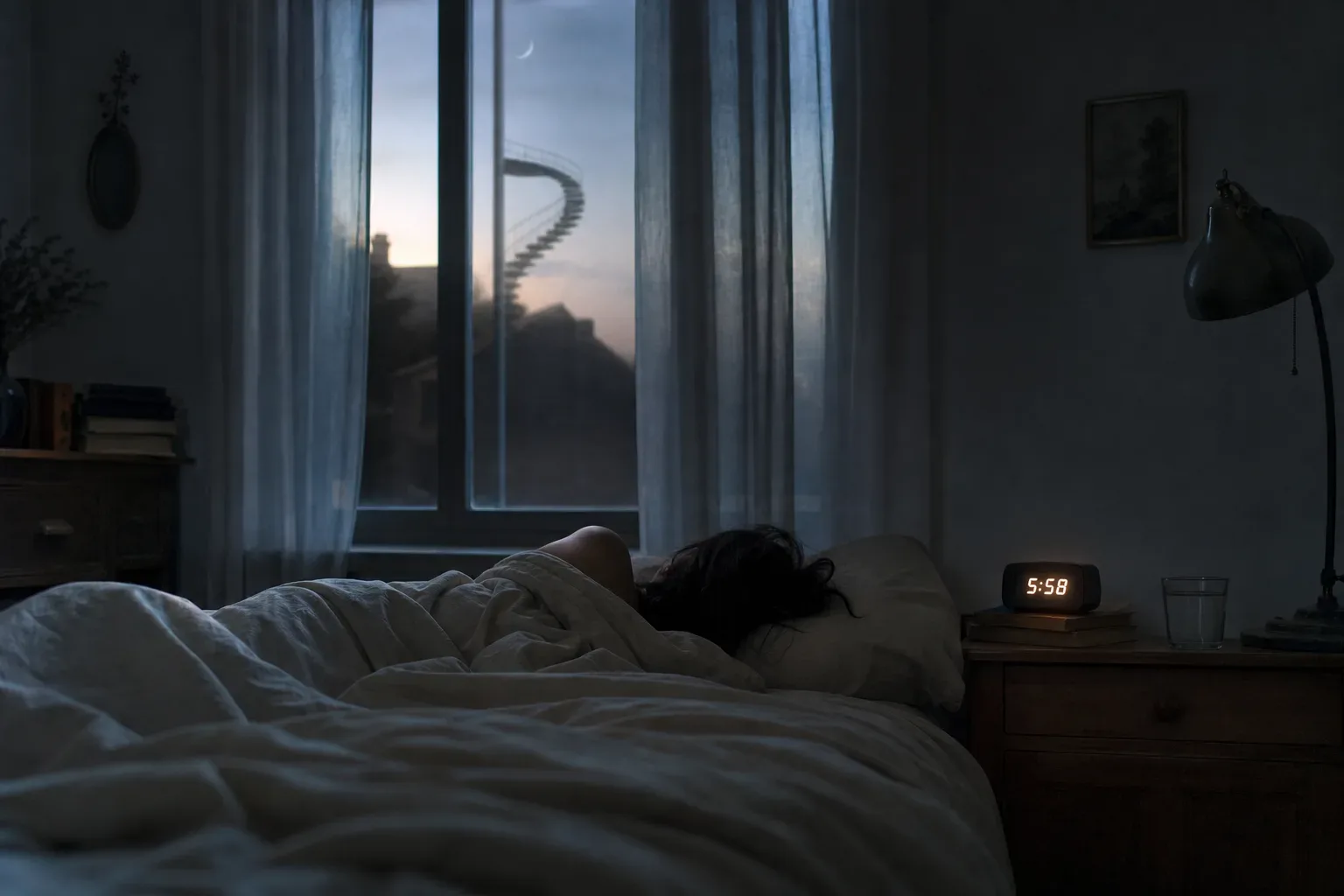
A false awakening dream is a dream in which you believe you’ve woken up, often in your own bed, and begun the day. It feels real because the sleeping brain is rehearsing familiar morning habits. It usually reflects stress, sleep interruption, or heightened dream awareness, not danger or prediction.
What is a false awakening dream?
A false awakening dream is a realistic dream of waking up while you’re still asleep.
The classic version is almost boring at first. You open your eyes. You see the bedroom. You check the time, stand up, brush your teeth, or answer a message. Then the clock melts, the hallway is wrong, or you wake again and realize the first morning was only a dream. Celia Green described false awakenings in her 1968 work on lucid dreams, grouping them with other states where the boundary between waking and dreaming becomes unusually thin.
The important word is realistic. Many dreams announce themselves by strangeness. A false awakening often hides inside routine. The brain doesn’t have to invent a dragon when it can borrow your lamp, your cracked phone screen, and the exact sound of the kettle. The National Institute of Neurological Disorders and Stroke notes that most adults spend about 2 hours each night dreaming, with dreams especially common in REM sleep. That gives the mind many chances to stage a convincing morning.
Researchers and dream writers sometimes describe two loose types. Type 1 is ordinary and practical: you wake, get ready, and only later notice something is off. Type 2 is more tense: you wake in the room, but the atmosphere feels watched, heavy, or wrong. These are descriptive categories, not diagnoses.
A false awakening is not a sign that you’re losing touch with reality. The dream is convincing because the routine is familiar, not because the dream is true. If it frightens you, write down the first detail that revealed the mistake. That detail is often the key: the broken clock, the locked door, the phone that won’t work.
Why does a false awakening feel exactly like real life?
It feels real because it uses your most rehearsed memories: the bed, the room, the alarm, and the first tasks of morning.
Brains are efficient. They predict. Neuroscientist Karl Friston’s predictive processing work, widely cited since the 2000s, argues that perception is partly the brain’s best guess about incoming information. In a false awakening dream, there may be little outside input, but the guess is strong. You expect to wake in your bedroom, so the dream supplies a bedroom. You expect to reach for a phone, so the dream supplies a phone.
REM sleep adds another layer. In REM, the body is mostly still, the eyes move quickly, and vivid dreaming is common. Sleep cycles last roughly 90 minutes, according to standard sleep medicine texts, and REM periods tend to lengthen toward morning. That timing matters. False awakenings often happen near the end of sleep, when waking is close enough for the mind to rehearse it.
They can also feel real because the content is emotionally quiet. A nightmare about being chased may feel symbolic even while it’s happening. A dream about making coffee doesn’t raise the same suspicion. The most believable dreams are often the least dramatic ones. They wear the clothes of ordinary life.
Here is the honest difference between nearby states:
| State | What you believe in the moment | Common clue | Usually dangerous? |
|---|---|---|---|
| False awakening | I am awake | Morning routine repeats or glitches | No |
| Lucid dream | I know I’m dreaming | You can reflect inside the dream | No |
| Sleep paralysis | I am awake but can’t move | Chest pressure, presence, fear | Usually no |
| Ordinary dream | The dream is simply happening | Logic shifts without question | No |
If your false awakening turns into awareness that you’re dreaming, you’re near the territory of lucid dreaming. Stephen LaBerge’s laboratory work in the 1980s showed that some lucid dreamers could signal awareness with prearranged eye movements during REM sleep. That doesn’t make every false awakening lucid, but it explains why the two often sit close together.
What tends to trigger false awakening dreams?
False awakenings tend to appear when sleep is light, interrupted, stressful, or unusually focused on waking up.
The first common trigger is sleep fragmentation. If you wake several times in the night, the brain gets repeated practice crossing the line between sleep and waking. Each crossing can leave a residue. Shift workers know this well. So do new parents, students near exams, and anyone sleeping with one ear open for an alarm. The CDC has reported that about 1 in 3 U.S. adults sleep less than the recommended 7 hours a night, and short sleep often travels with more awakenings.
Stress is another ordinary suspect. The American Psychological Association’s Stress in America reports have repeatedly linked stress with disrupted sleep. A false awakening about being late, missing a message, or failing to leave the house can be the mind’s plainest way of saying: I am already rehearsing the morning before it arrives.
There are also practical triggers:
- Sleeping in an unfamiliar room
- Using a loud or repeated alarm
- Napping at unusual times
- Drinking alcohol close to bed, which can fragment later sleep
- Trying intensive lucid-dream techniques without enough rest
- Having a fever or irregular sleep schedule
None of these causes the dream every time. They increase the odds. One small 2016 survey on lucid dream induction methods found that frequent reality testing and wake-back-to-bed techniques were associated with more lucid dream attempts, but also with more sleep interruption for some people. Thin sleep makes strange sleep more likely.
Recurring false awakenings can also attach themselves to a concern. If the dream repeats every Monday morning, look at Sunday night. If it appears before travel, presentations, custody exchanges, medical appointments, or early shifts, the dream may be less mysterious than it feels. A recurring dream is often attention with a costume on.
How can you tell you’ve really woken up?
You can tell by using a small, repeatable reality check that waking life passes and dreams often fail.
False awakenings feed on automatic behavior. The remedy is not panic. It’s one deliberate check. Lucid dreaming researchers have used reality testing for decades, and LaBerge’s MILD technique asks dreamers to remember their intention to recognize dreaming. You don’t need a complicated ritual. You need one test you can do calmly when you wake.
Try this sequence for 7 mornings, especially if false awakenings have been repeating:
- Read one sentence twice. In dreams, text often shifts, blurs, or refuses to stay stable.
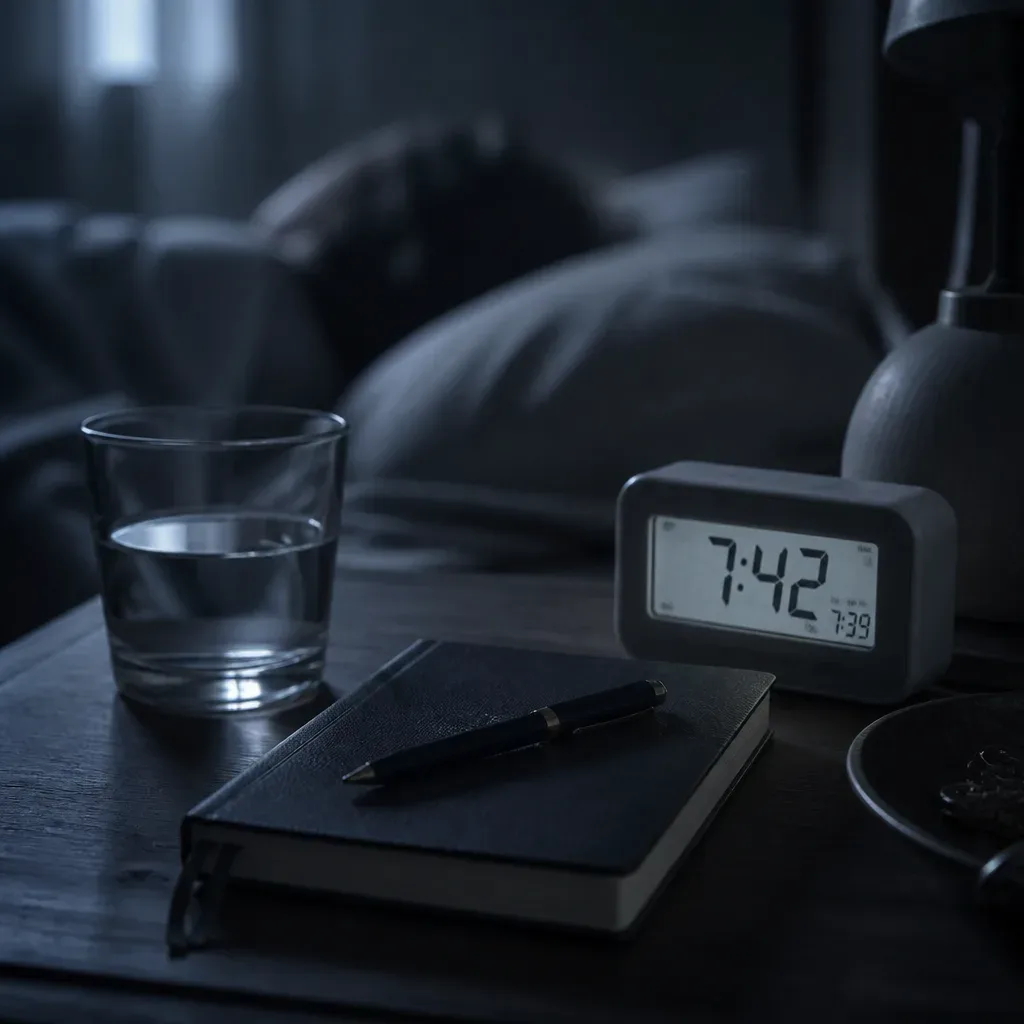
- Look at a digital clock twice. Numbers may jump or become impossible.
- Press a light switch. Dream lighting often behaves strangely, though not always.
- Name three fixed facts. Say your name, the day, and where you are.
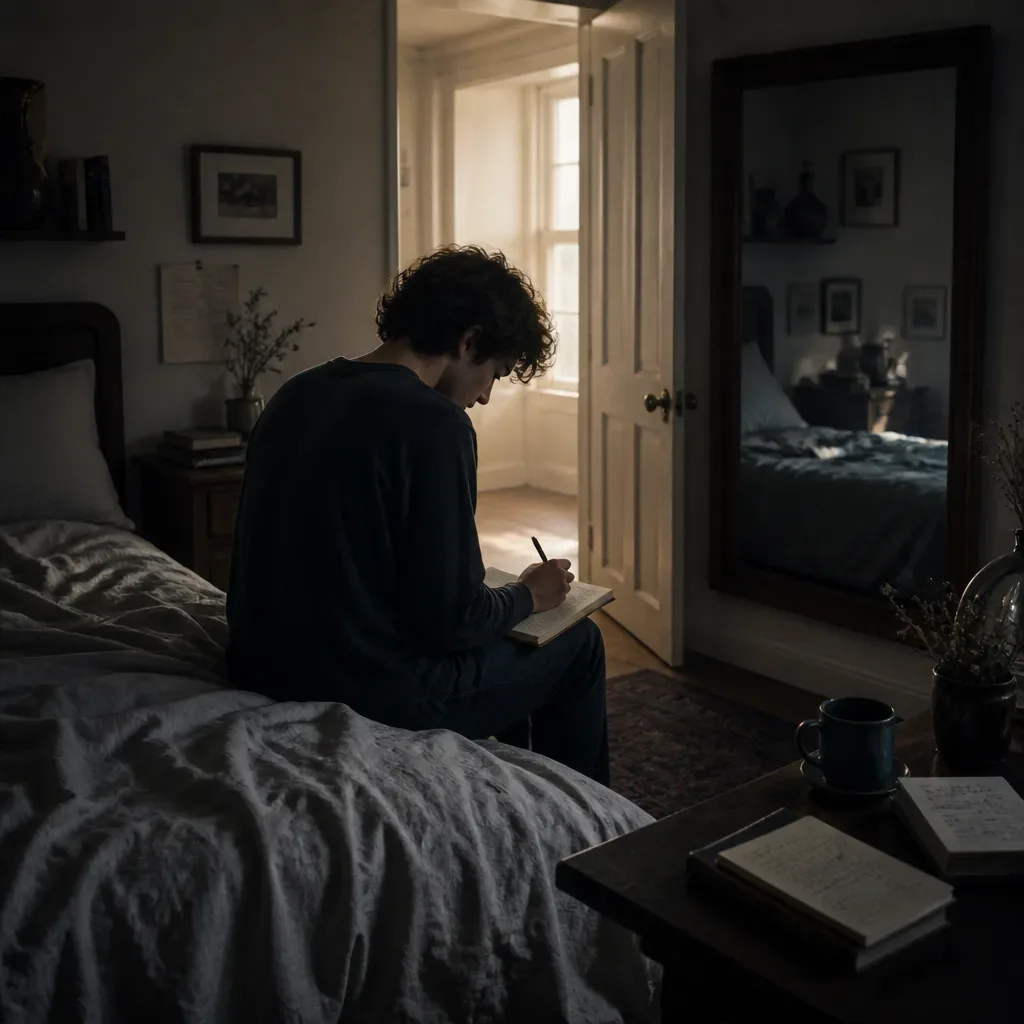
- Write one line before touching your phone. Even a fragment trains recall.
This isn’t superstition. It’s attention. In a 2006 paper in the journal Sleep, researchers estimated that dream recall varies widely, with some people remembering dreams several mornings a week and others rarely. A morning check helps high-recall dreamers sort the pile.
If you want help finding patterns in the imagery, you can use the AI dream interpreter tool after you’ve written your own first notes. Tools are best used second. Your body noticed the dream before any tool did.
Also compare the symbols with the Dream dictionary (A–Z hub), especially if one object keeps repeating. A phone that won’t dial, a door that won’t open, or an alarm that won’t stop may carry a different personal meaning from a stranger’s version of the same symbol.
Are false awakening dreams spiritual, psychological, or both?
They can be read psychologically with some support, and spiritually as folklore or personal meaning, but they don’t predict the future.
Psychologically, the dream often points to threshold anxiety. You’re between sleep and day, private self and social self, rest and obligation. Jungian writers might call the bedroom a threshold image: the place where the conscious day begins and the unconscious night retreats. That is interpretation, not lab proof. Still, it can be useful if it helps you ask a better question in the morning.
The better question is not What will happen? It is What did I think had already started? A false awakening about missing work may speak to duty. One about endless brushing of teeth may speak to preparation. One about waking in a childhood bedroom may point toward old roles returning. Dreams don’t hand down verdicts. They show where the mind keeps returning.
Spiritual traditions have long treated dream-within-dream moments as meaningful. Tibetan dream yoga has formal practices for recognizing dream states; Western occult and mystical traditions have often treated false awakenings as signs of heightened inner attention. The evidence for spiritual claims is not scientific evidence. There is long tradition, sincere testimony, and no good proof that a false awakening predicts an event.
If recurring false awakenings keep showing you the same fear or want, waking practice can meet the pattern gently. The AYA Method is a daily audio manifestation practice. Each day you listen to a short personalized recording, your Dream-Self Moment, narrated from the version of you who has already manifested the life you intend. Listening is the practice. Repetition is the work. The audio is the method. A daily affirmation or Manifestation Board can complement it, but they are not the center.
That belongs late in the conversation because the dream comes first. Notice what the night brought. Then decide what the morning will repeat on purpose.
When should a false awakening worry you?
A false awakening usually shouldn’t worry you unless it’s frequent, distressing, or paired with other sleep symptoms.
Most isolated false awakenings are harmless. They may leave you unsettled for 10 minutes, then fade with breakfast. The strange thing happened; the dangerous thing usually did not. As a former night-shift nurse, I care about that difference. Fear needs respect, but it also needs triage.
Pay closer attention if the episodes happen several times a week, make you afraid to sleep, or repeatedly cause daytime exhaustion. Also note whether they come with sleep paralysis, loud dream enactment, injuries, sudden daytime sleep attacks, or muscle weakness triggered by laughter or emotion. Those symptoms don’t mean something terrible is happening, but they do deserve a medical conversation. The American Academy of Sleep Medicine classifies several parasomnias and hypersomnia conditions by patterns over time, not by one strange night.
For the next 14 days, keep the record plain:
- Bedtime and wake time
- Alcohol, cannabis, or new medication use
- Number of awakenings you remember
- Whether an alarm interrupted sleep
- Dream emotion in one word
- Any daytime sleepiness
If the record shows an obvious pattern, start there. Protect a consistent wake time. Reduce alcohol near bedtime. Move the phone away from the pillow. If you’re using wake-back-to-bed lucid dreaming methods and false awakenings increase, pause for a week. You can return when sleep is steadier.
For repeated themes, compare notes with recurring dreams. The content may matter less than the return. The dream repeats because something in you is still asking to be noticed.
Tomorrow morning, write the sentence the dream was trying to start.